Take Hecataeus:

He’s missing a couple two or three continents. His world is all he sees.
Then there’s the holy land maps where East is up, thanks to the rising of the sun and the placement of the sea:

There’s Jerusalem at center:

or at the top:

Pre-Columbus, when they thought that no one lived outside of Eurasia:

The 1650s, killing indigenous people:

(I tried to look up a map from the perspective of Native Americans, but couldn’t turn one up, perhaps because they didn’t need a map to tell them who they were, where they were from, what bits of the map to fill in).
1900s (even more of the same) with Chicago bursting:

And for some reason we keep dividing off the world anyway, drawing imaginary lines over the shapes of landmasses that really do connect. North and South America connect. Africa, Europe, Asia – they connect.
In spite of that, here’s the cold war:

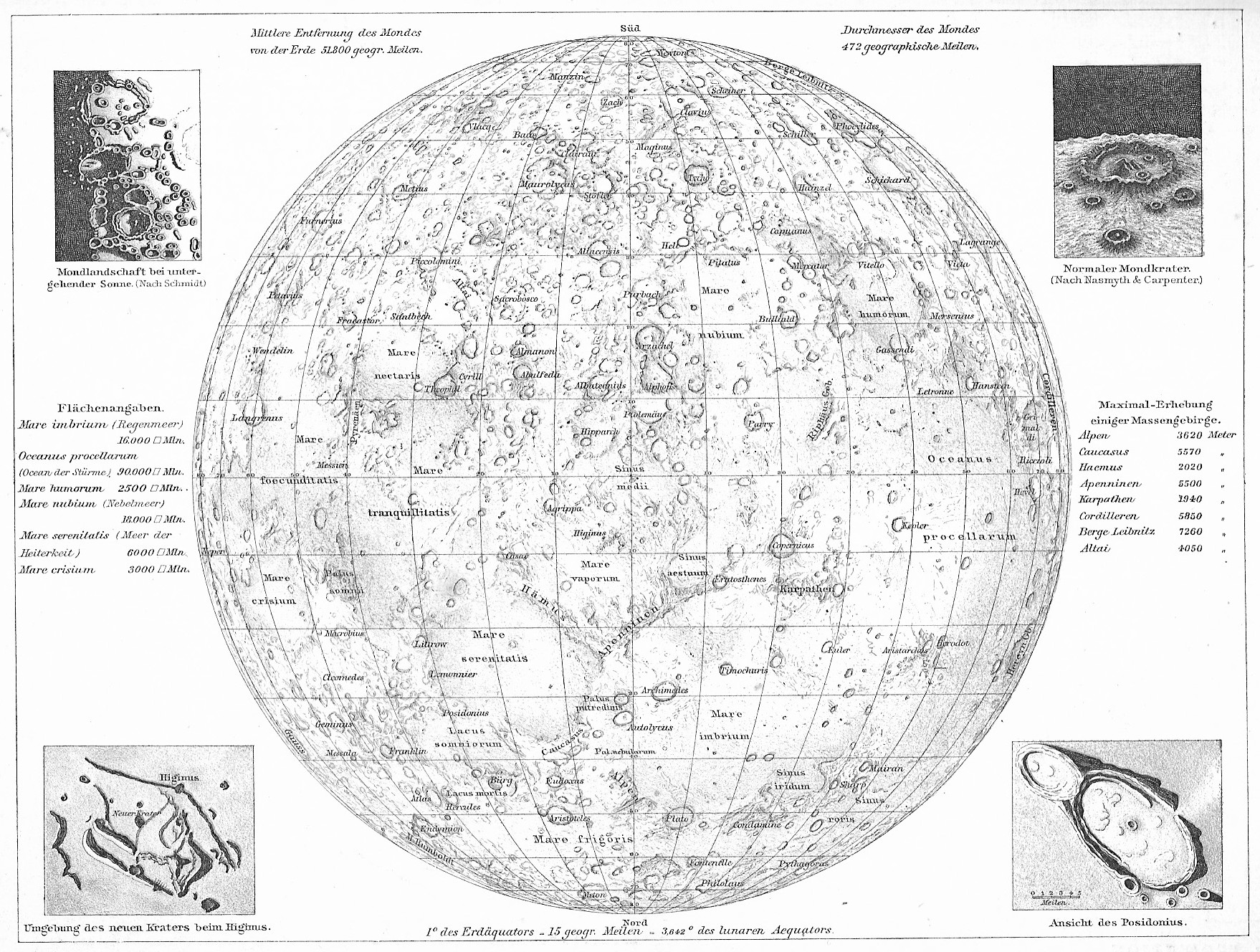
The first stepping stone of “the Final Frontier”:
The classroom-friendly “political borders” map (which continues to change):

People thought having America on the left and Britain in the middle was ethnocentric, so they made an Asia-left map:
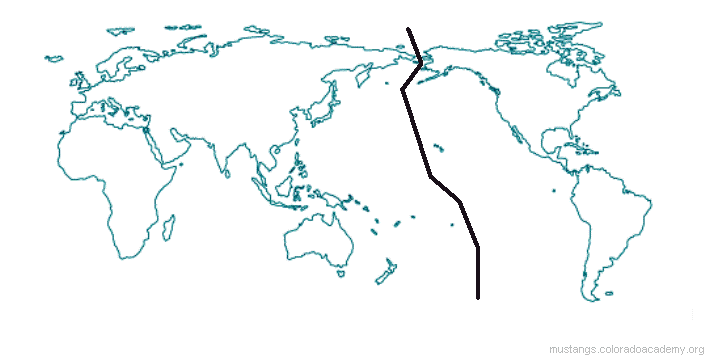
Which is stupid because loads of people on that side of the map read right-to-left. If you want Asia (or China) center, make Asia (or China) center:

Of course Americans reacted to that (and to Brits saying “Britain’s at the center of all your maps”).
The kiwi’s might be responsible for the south-up map:

And we continue to show how we think about the world, to paint our pictures of us:


With that in mind, here’s one map of the fantasy world, Gergia. I’ll have a novel out some day in the future that takes place in Gergia. You pronounce both G’s like the d-j combo in the word “adjective.” Djerdjia – a soft soft soft J+G on both sides:

So next time you look at maps, ask yourself:
- What’s center?
- Are there borders? If so, where?
- Where are the time zones?
- What’s missing?
- What’s written on it?
- Are there pictures?And most importantly:
- Why?
Our maps seldom show us where things are as much as they show us who we are.
Join this guild of renegade imaginations.
:: sign up for email encouragement ::


Comment early, comment often, keep it civil: